Trips with SLU-Madrid
Saint Louis University-Madrid offers students many opportunities to explore Spain and the rest of Europe during their studies.
All the trips listed on the web for the current or future semesters are subject to change or cancellation. All trip fees must be paid in the SLU-Madrid Finance Office, on the ground floor of Padre Arrupe Hall.
SLU-Madrid's Trip Policies and Guidelines
Spring 2026
- Date: Saturday, Jan. 17
- Optional trip
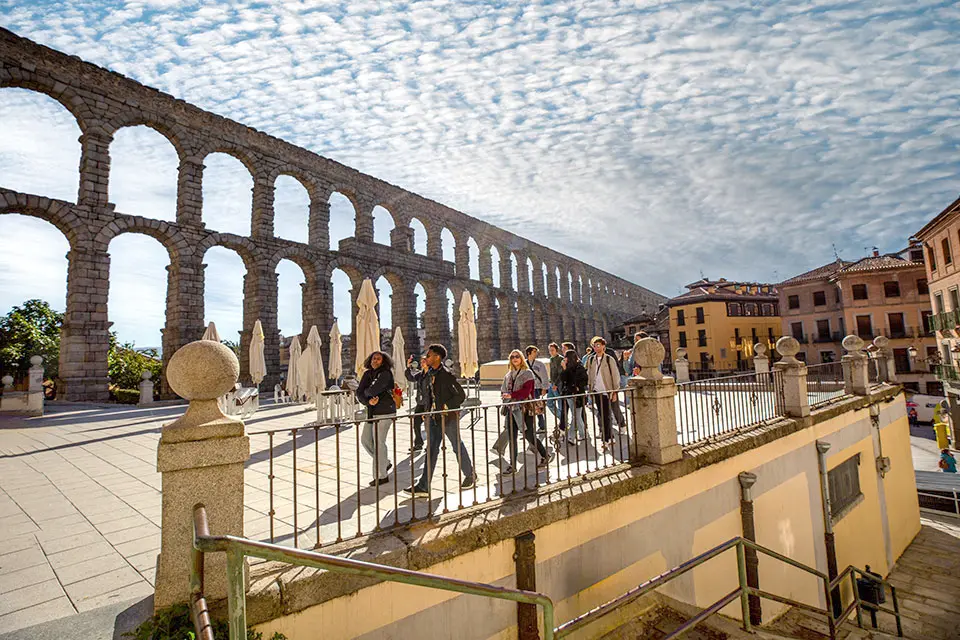
Segovia is one of the must-do day trips while in Madrid. Join us in visiting this UNESCO World Heritage Site, famous for the Roman aqueduct that stands in the center of the old quarter. In addition, you will see numerous Romanesque churches and the cathedral and fortress (castle).
- Date: Sunday, Jan. 18
- Optional trip
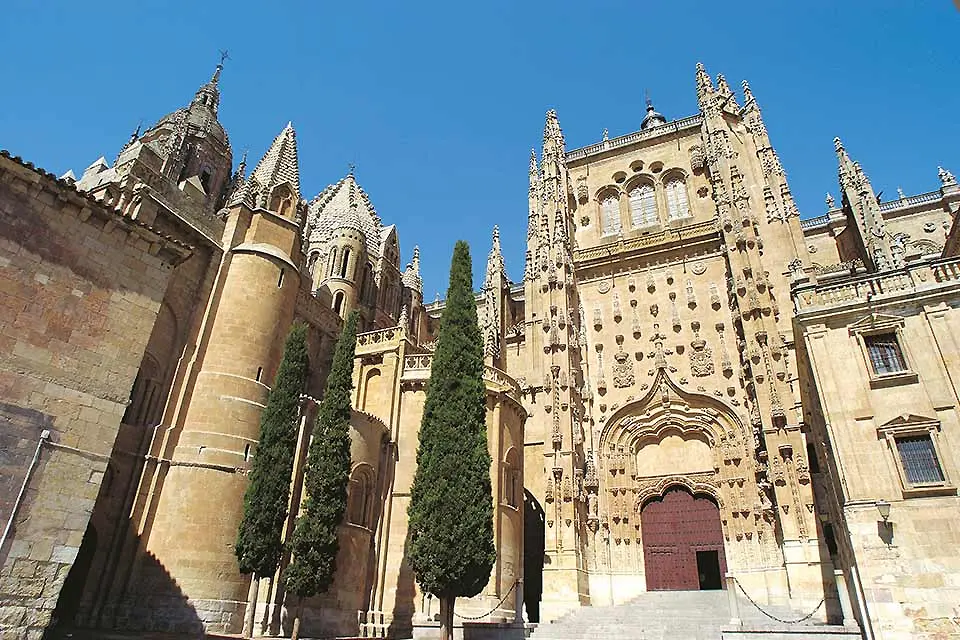
Salamanca has been declared a "City of Mankind's Heritage" by UNESCO World Heritage Site, and is best known for its university, which was founded in the early 13th century. Don't leave Spain without visiting one of the most breathtaking Renaissance cities in Europe and exploring its Romanesque and Baroque architecture.
- Dates: TBD
- Optional trip
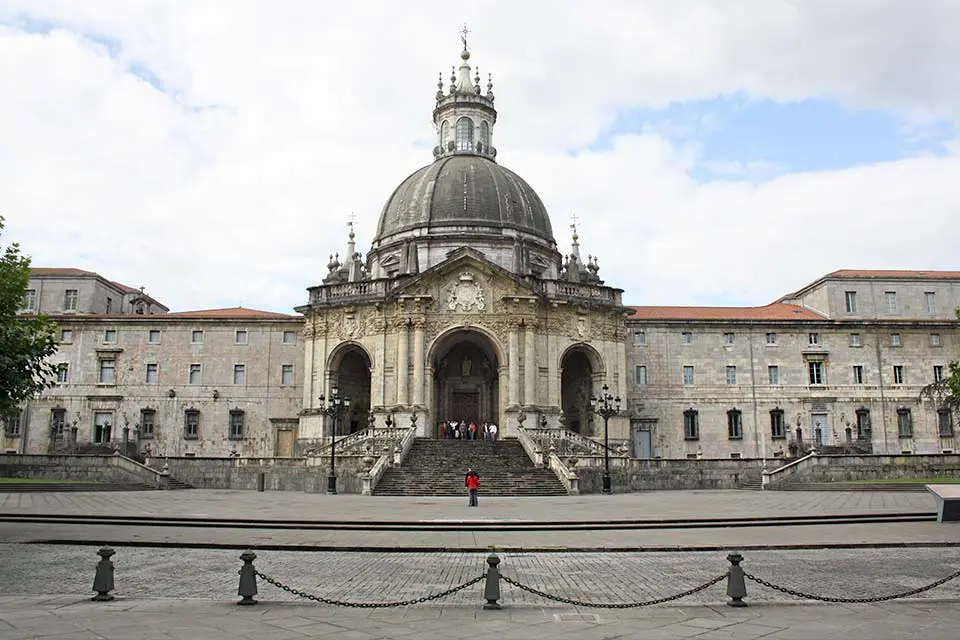
Open to all students of all faiths. Travel to the Basque countryside of northern Spain and visit the birthplace of St. Ignatius of Loyola, founder of the Society of Jesus. This is an opportunity for students to deepen their understanding of St. Ignatius of Loyola and the Spiritual Exercises in the place where St. Ignatius was born and lived his life.
- Dates: TBD
- Faculty leader: Mónica Pérez-Bedmar, M.Sc.
- Course: EAS 1450 Introduction to Oceanography
- Mandatory trip
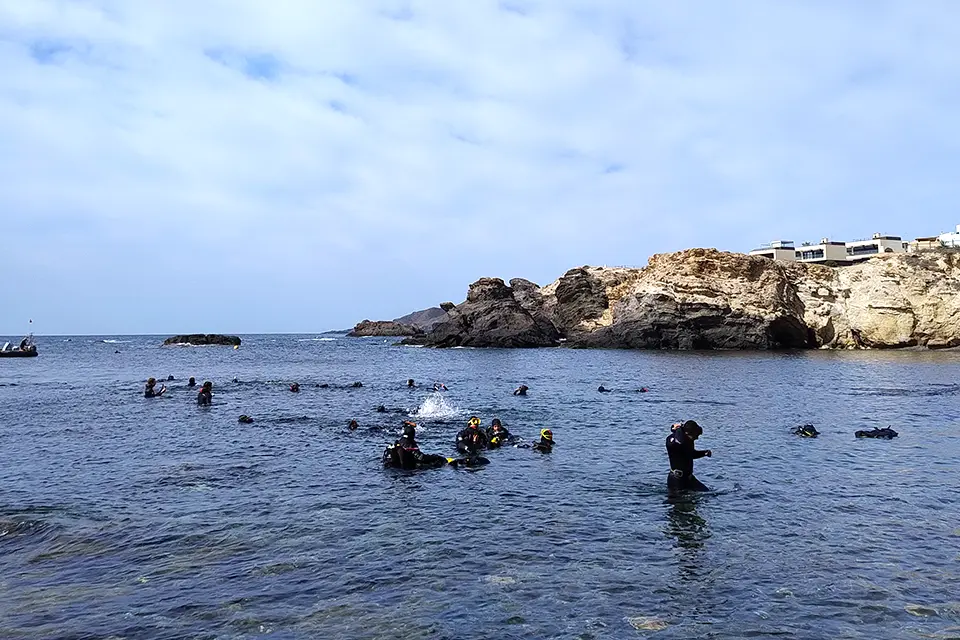
The field trip will take students to Cabo de Palos, in the region of Murcia on Spain's southeastern coast. As one of the most ecologically diverse areas of the Mediterranean Sea, it proves an ideal site to study the main environmental issues the region is facing. The field trip includes visits to nearby oceanographic institutes, a desalination site, natural reserves and natural parks. The excursion includes a dive at one of the most important Mediterranean reserves, Islas Hormigas, off the coast of Murcia, which provides the opportunity — weather permitting — to snorkel in its crystal blue waters and identify the different organisms studied in the course. The trip also includes kayaking along the most developed Mediterranean coastlines to identify coastal issues and successful restoration projects. Price includes transportation, lodging, excursions (as programmed in the final itinerary) and breakfast.
- Date: TBD
- Faculty leader: Chris Ealham, Ph.D.
- Course: POLS 3567 Political Development in Contemporary Spain, HIST 3340 Spanish Civil War
- Mandatory trip
On this trip, students will reflect on the significance of this monument and its impact on the political and social worldview. They will explore its symbolic significance, as well as the contemporary debates relating to its past, present and future.
- Dates: TBD
- Faculty leader: Ivan Sanchez, Ph.D.
- Course: EAS 4420 Environment and Conservation in Africa
- Mandatory trip
- Price: TBD
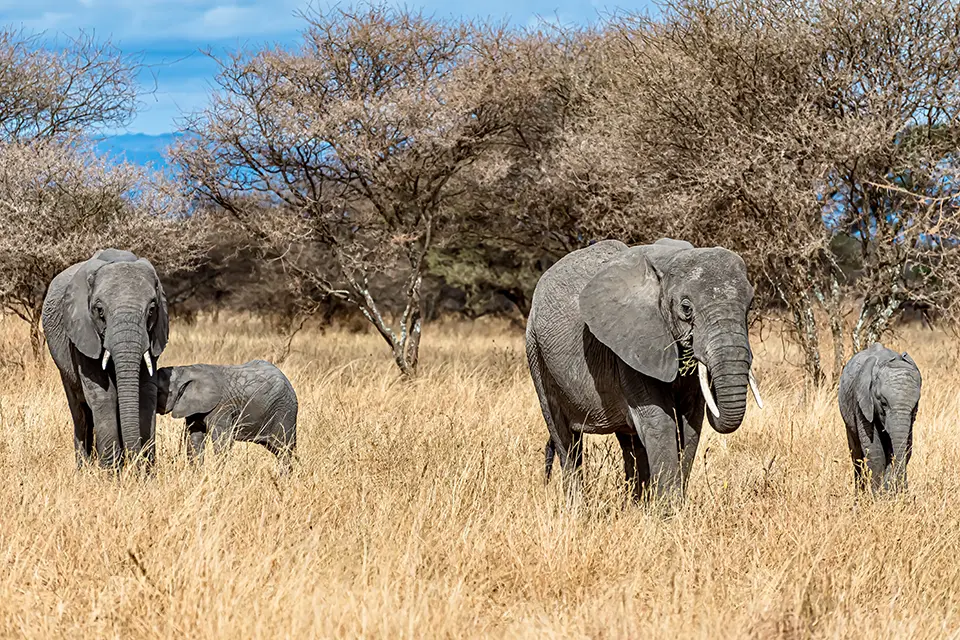
This trip will transport you into African nature, where you can still feel the anima mundi, the Soul of the World. It is a 10-day experiential learning trip to Kenya and part of EAS 4420 Environment and Conservation in Africa. We will visit the Mpala reserve, where students and researchers work hand in hand. Meet the Yaaku people, hunter-gatherers who live in a forest. Hiking on Mount Kenya to learn about its amazing vegetation and conservation issues. Visit Lake Elementia on a boat to learn about fishermen's lives and their conflicts with hippos. Visit a conservancy at the Maasai Mara National Reserve and learn about the Maasai people, their bomas, and their traditional herding style.
Watch Video of Previous Kenya Trip
Fall 2026
- Date: TBD
- Optional trip
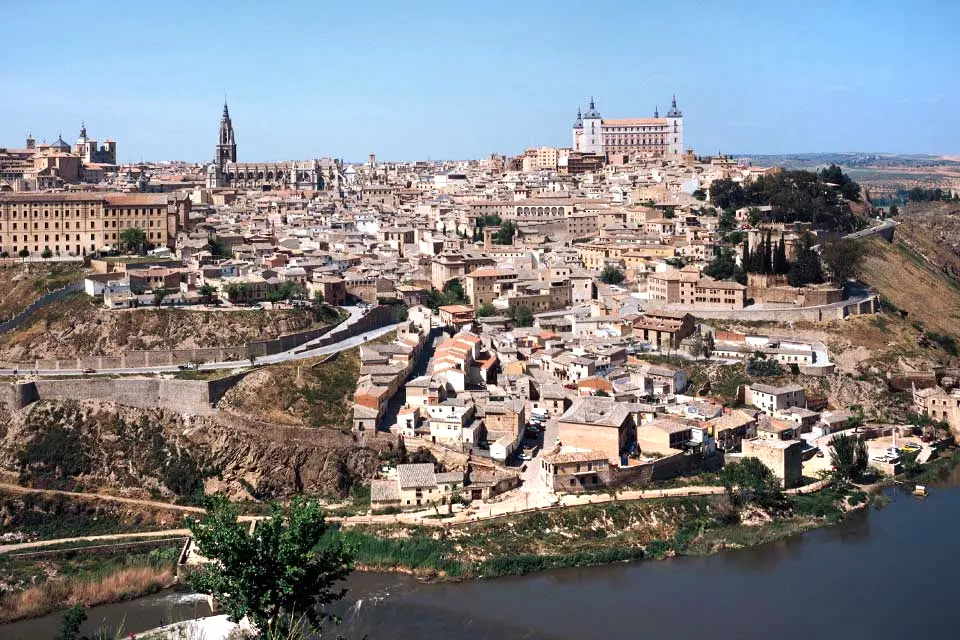
Toledo is a UNESCO World Heritage Site located just outside of Madrid. It is known as the "City of the Three Cultures" because Christians, Arabs and Jews lived together in this city for centuries. Behind its walls, Toledo preserves an artistic and cultural legacy in the form of churches, palaces, fortresses, mosques and synagogues.
- Date: TBD
- Optional trip
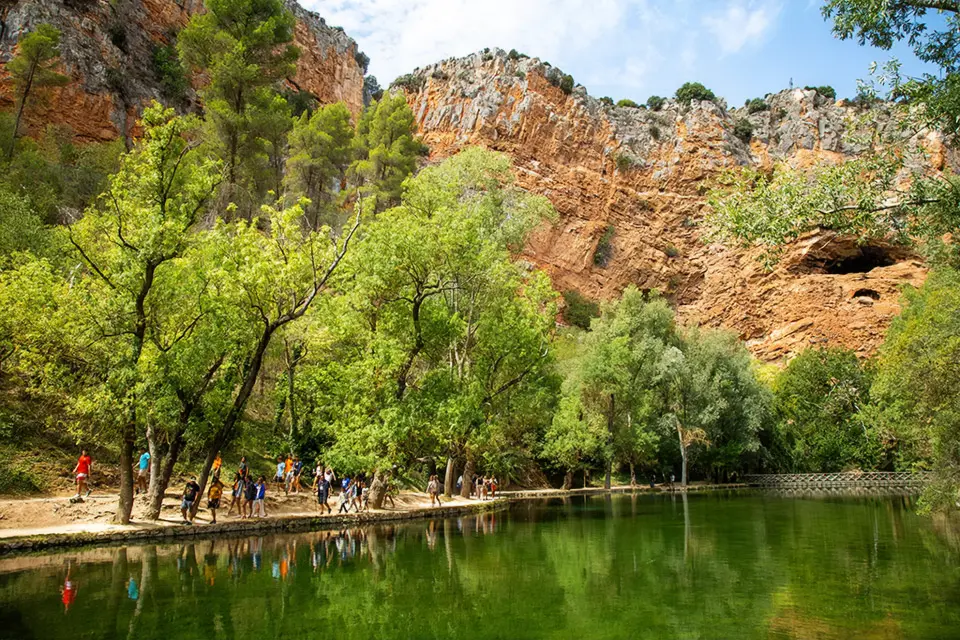
The Monasterio de Piedra was founded in 1194 when Alonso II granted an Arab castle to the monks of Poblet to build a monastery in the hopes of consolidating Christianity in the area. Legend says that this monastery is where the first chocolate candy was made. The natural park of Monasterio de Piedra offers an unbelievable experience, with a two-and-a-half-hour walk through a lush parkland with waterfalls and grottos hidden in one of the driest areas of the region of Aragón.
- Date: TBD
- Optional trip
Segovia is one of the must-do day trips while in Madrid. Join us in visiting this UNESCO World Heritage Site, famous for the Roman aqueduct that stands in the center of the old quarter. In addition, you will see numerous Romanesque churches and the cathedral and fortress (castle).
- Date: TBD
- Optional trip
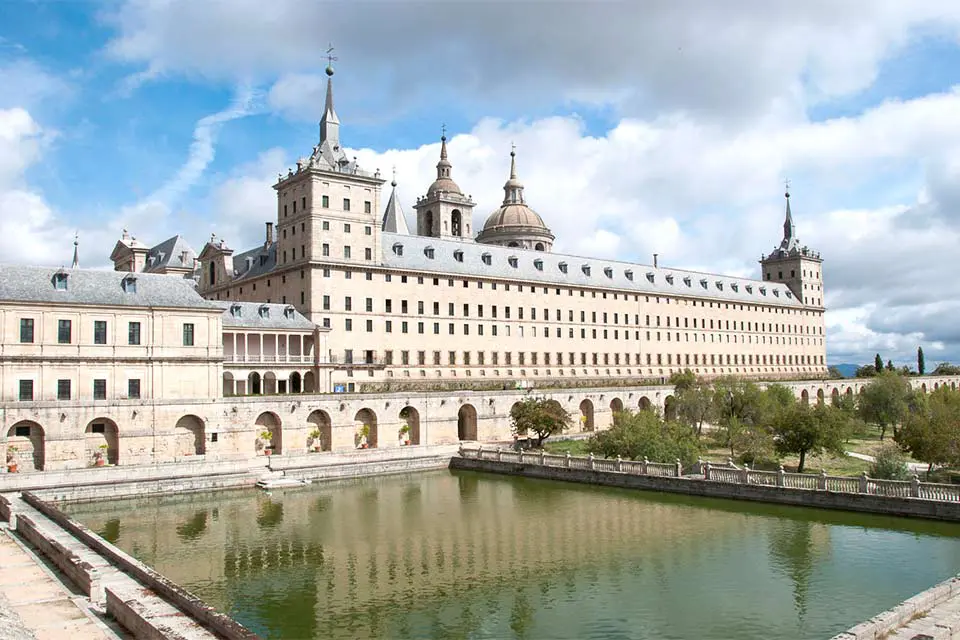
This monumental UNESCO World Heritage site was built at the end of the 16th century on a plan in the form of a grill, the instrument of the martyrdom of St. Lawrence. A great symbol of the Counter Reformation, the Escorial Monastery stands in an exceptionally beautiful site in Castile. Its austere architecture, a break with previous styles, had a considerable influence on Spanish architecture for more than half a century. It was the retreat of a mystic king and became, in the last years of Philip II's reign, the center of the global superpower of the time.
- Date: TBD
- Faculty leader: Iván Sánchez, Ph.D.
- Course: BIOL 1340 The Diversity of Life
- Mandatory trip
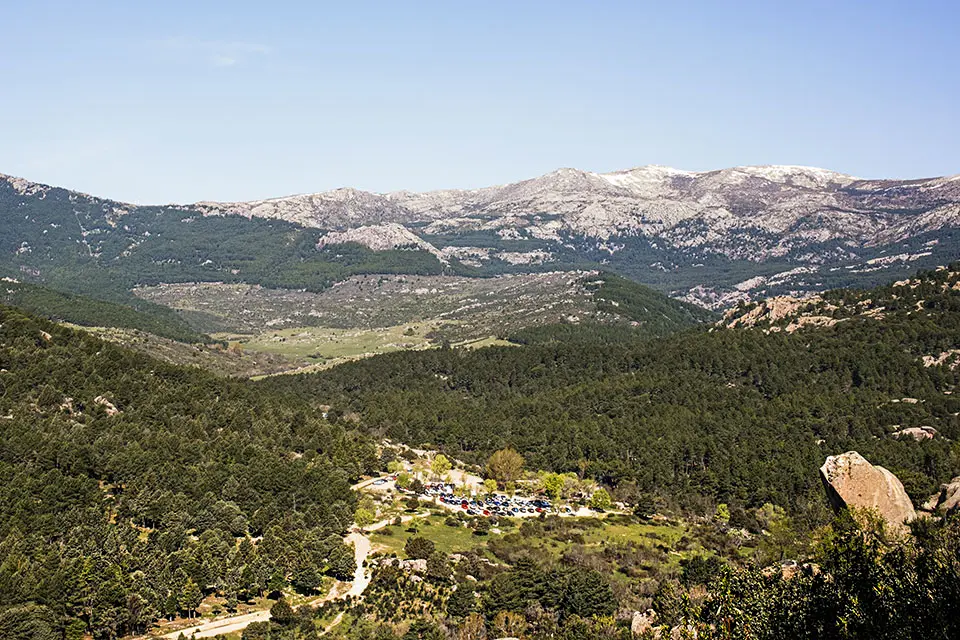
In the Guadarrama National Park and other natural areas, students will experience the methods used to research the diversity of life and biological conservation of species and spaces and how they are organized in real life. During this trip, students will observe real case studies to draw connections between environmental issues and the current species extinction crisis and contrast the underlying processes triggering biological invasions through case studies.
- Date: TBD
- Faculty leader: Timothy Ryan Day, Ph.D.
- Course: ENGL 3470 Introduction to Shakespeare
- Mandatory trip
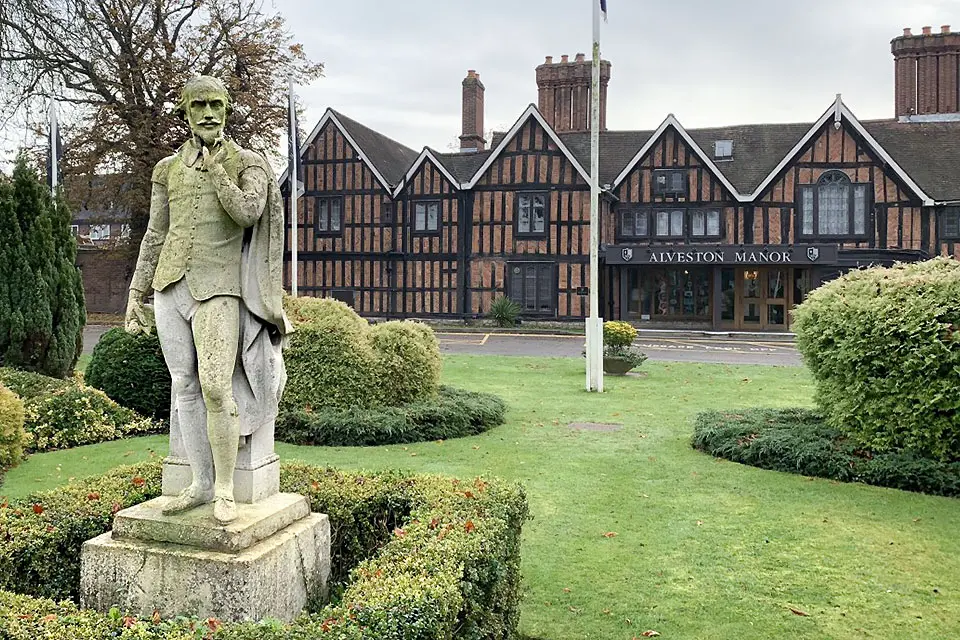
ENGL 3470 Introduction to Shakespeare includes a mandatory trip to the town of Shakespeare's birth and death, Stratford-upon-Avon, United Kingdom. During the two-day trip, students will see a production of the Royal Shakespeare Theater, visit Shakespeare's birthplace, and tour other important historical sites such as the church where he was buried and the cottage where his wife Anne Hathaway spent her childhood. It's a unique opportunity to see the sites that inspired some of the English language's most important poetry and theater.
- Dates: TBD
- Faculty leader: Mónica Pérez-Bedmar, M.Sc.
- Course: EAS 1450 Introduction to Oceanography
- Mandatory trip
The field trip will take students to Cabo de Palos, in the region of Murcia on Spain's southeastern coast. As one of the most ecologically diverse areas of the Mediterranean Sea, it proves an ideal site to study the main environmental issues the region is facing. The field trip includes visits to nearby oceanographic institutes, a desalination site, natural reserves and natural parks. The excursion includes a dive at one of the most important Mediterranean reserves, Islas Hormigas, off the coast of Murcia, which provides the opportunity — weather permitting — to snorkel in its crystal blue waters and identify the different organisms studied in the course. The trip also includes kayaking along the most developed Mediterranean coastlines to identify coastal issues and successful restoration projects. Price includes transportation, lodging, excursions (as programmed in the final itinerary) and breakfast.
- Date: TBD
- Faculty leader: Chris Ealham, Ph.D.
- Course: POLS 3567 Political Development in Contemporary Spain, HIST 3330 Spanish History since 1808
- Mandatory trip
Students will reflect on the significance of this monument and its impact on the political and social worldview. They will explore its symbolic significance, as well as the contemporary debates relating to its past, present and future.